Season 06 Episode 44
Motherhood Changed Everything, and That’s OKAY with Sophie Gregory — LISTEN NOW
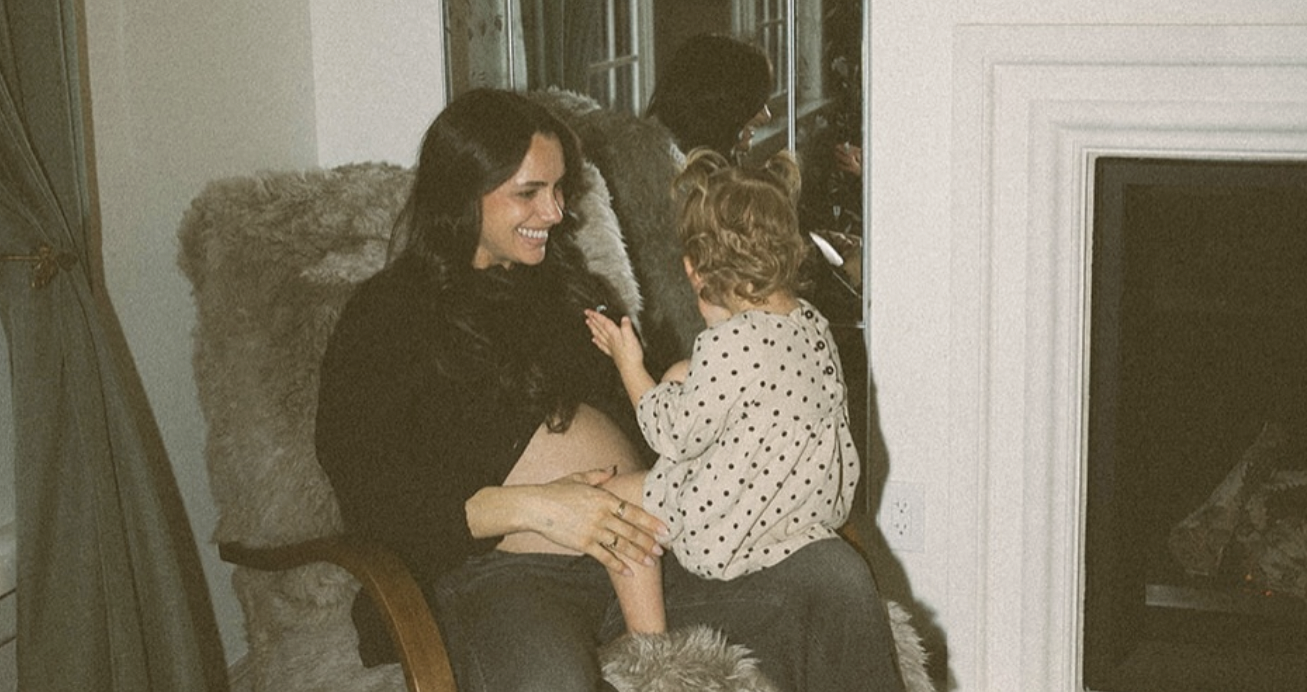
Motherhood is often described as one of the most joyful seasons of life. And sometimes—it is.
But what happens when the joy is complicated? When the feelings linger longer than expected? When the “baby blues” don’t quietly fade after a few weeks?
In this episode of Dirty Laundry with Ollie, I sit down with Sophie Gregory—former Broncos cheerleader, design enthusiast, business owner, wife, and mama—to talk about the parts of motherhood that aren’t talked about nearly enough. The parts that feel confusing, isolating, and heavy—especially when everyone around you assumes you should be “back to normal” by now.
This conversation is about postpartum mental health, identity, and the quiet weight so many mothers carry long after childbirth.
The Postpartum Story No One Warned You About
Most conversations around postpartum mental health focus on the early weeks after birth. The baby blues. The sleepless nights. The adjustment period.
But postpartum depression doesn’t always follow a neat timeline.
Sophie shares how she felt blindsided by her postpartum depression—not immediately after giving birth, but later, when she thought she had already “made it through.” There was no dramatic breaking point, just a slow realization that something didn’t feel right anymore.
That lack of awareness left her questioning herself instead of recognizing what was actually happening.
When Hormones Quietly Shift Everything
Postpartum mental health isn’t about willpower or gratitude—or a lack of either. It’s physiological, emotional, and deeply complex.
Hormonal changes after childbirth can affect mood, energy, anxiety levels, and emotional regulation far beyond the early postpartum period. And yet, so many women are never educated about what to watch for—or when to ask for help.
Sophie reflects on how understanding the role hormones played helped her release shame and reframe her experience. This wasn’t a personal failure. It was a biological and emotional reality.
The Loneliness That Comes with “Everyone Else Seems Fine”
One of the hardest parts of postpartum depression is how isolating it can feel.
When no one is talking about long-term postpartum struggles, it’s easy to assume you’re the only one still struggling. You look around and see other moms “doing it all,” and quietly wonder why you can’t keep up.
Sophie speaks honestly about that isolation—and how dangerous silence can be for new mothers who already feel stretched thin, emotionally and physically.
Why We Need Better Conversations About Motherhood
This episode isn’t just about one woman’s story—it’s about a much larger gap in how we talk about postpartum care.
There is a serious lack of dialogue around long-term postpartum mental health, and that silence leaves mothers under-supported and under-prepared. Awareness matters. Education matters. And so does hearing someone say, “This happened to me too.”
Sophie emphasizes how open conversations—shared stories, honest language, and vulnerability—can be the difference between suffering alone and seeking help.
Support Isn’t a Luxury—It’s a Lifeline
Motherhood was never meant to be done alone.
Support systems—whether that’s a partner, therapist, friends, family, or professional care—are essential, not optional. In this episode, we talk about what it looks like to ask for help, even when guilt, pride, or fear makes that hard.
Understanding postpartum depression helps mothers recognize when something is off—and gives them permission to reach for support sooner rather than later.
Airing This Out, Together
This conversation with Sophie Gregory is honest, grounding, and deeply important. It’s for the moms who feel like they missed the memo. The ones who are months—or years—into motherhood and still struggling. The ones wondering if what they’re feeling is “normal.”
If this resonates with you, know this: you’re not broken, you’re not alone, and you don’t have to carry it quietly.
🎧 Listen to the full episode of Dirty Laundry with Ollie wherever you stream podcasts.
Because some things are too important to keep folded away.